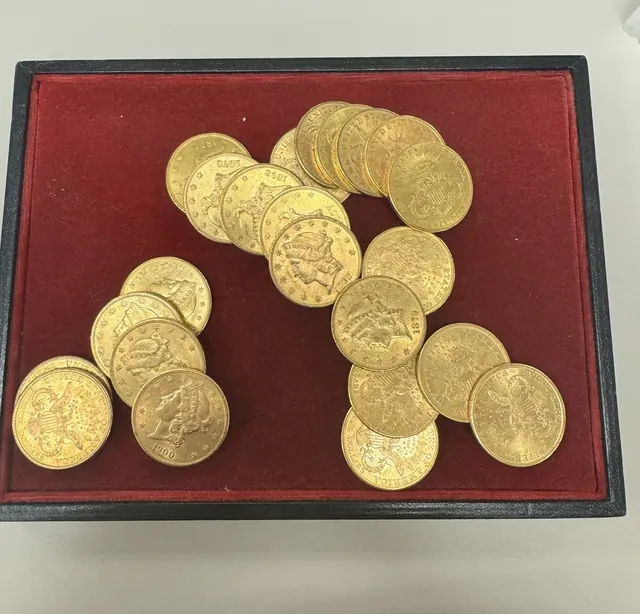
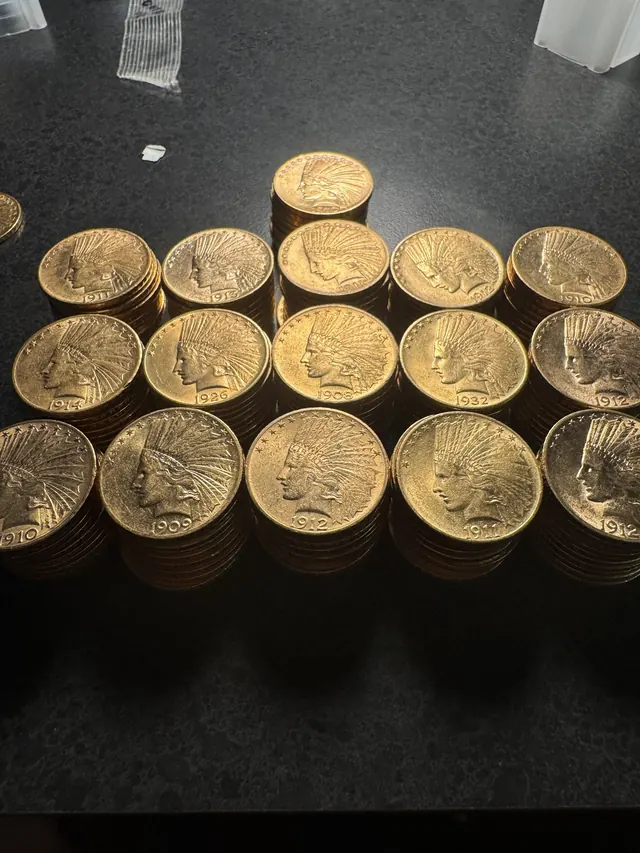
The short answer
Don’t clean anything. Keep sets and groups together. Lock everything up and photograph it as you found it. Keep every holder and scrap of paper. Don’t accept a rushed offer. Then make a simple list. Only after that should you think about values and buyers.
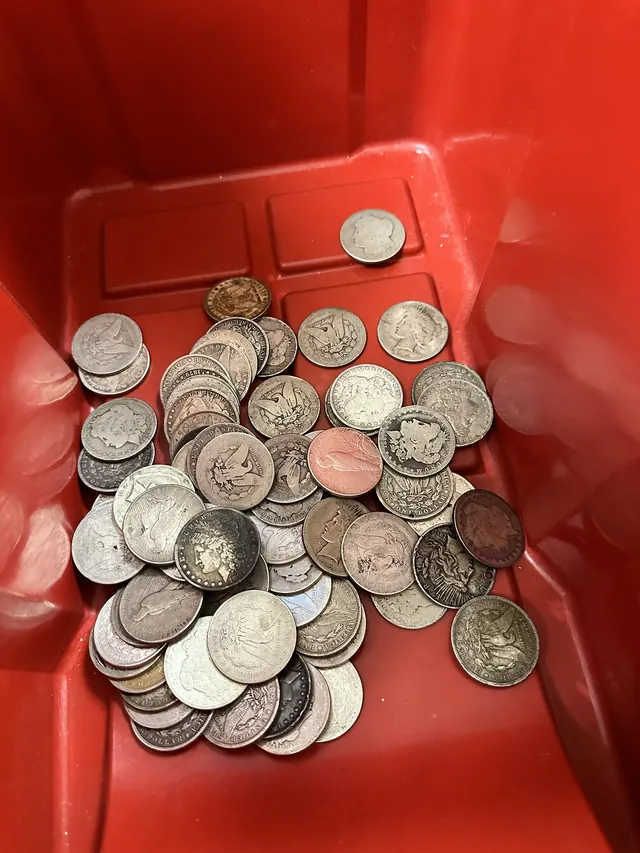
The costliest mistake usually happens in the first week
The most expensive mistake with inherited coins usually isn’t selling a little too cheap. It’s something done early, with good intentions: polishing a coin so it looks nicer, pulling the “good ones” out of a set, or saying yes to the first person who offers to take it all. The seven steps below protect you from all three.
Step 1: Never clean a coin
A coin that looks dull to you often just looks original to a buyer. Polish, dips, and even a soft cloth leave marks that buyers spot right away, and the two main grading services, PCGS and NGC, often mark cleaned coins down. Cleaning can’t be undone. If someone already cleaned a few, stop there.
Step 2: Keep sets, rolls, and groups together
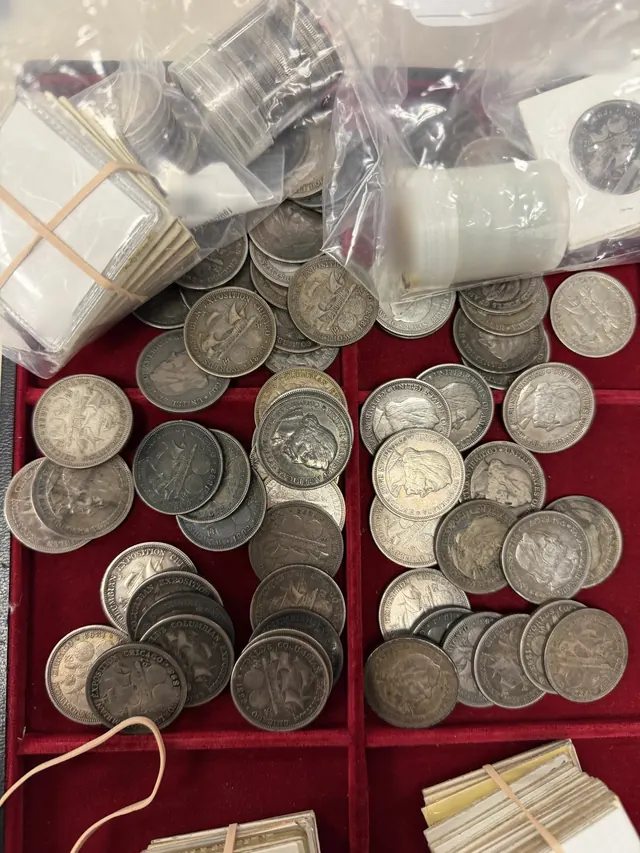
How the owner grouped things is information. A complete set in its original packaging is often worth more than the same coins loose in a bag, so resist the urge to pull out the good ones.
Step 3: Put everything in one secure place
Treat the coins like jewelry or cash, and keep the list of people with access short. If they’re already in a bank box, it’s often smartest to leave them there until you have a plan.
Step 4: Photograph it as you found it
Pictures taken before anything is moved are your record of what was there. They protect you, they help the family stay on the same page, and every buyer or appraiser can work from them.
Step 5: Keep every envelope, holder, and scrap of paper
Old notes and receipts are clues to what the owner thought each coin was. And if a coin is sealed in a hard plastic holder, called a “slab,” never open it.
Step 6: Don’t accept a rushed offer
Calls or letters after a death notice are a red flag. A serious buyer can wait for a list, and you can simply say, “The estate is being inventoried. We’ll be in touch.” Be wary of anyone who names a price for the whole box before looking at each coin.
Step 7: Start a simple list
Even a rough inventory changes everything. It lets you compare buyers on the same coins, divide things fairly among family, and answer the questions an executor or tax professional will ask. That’s the whole first stage: nothing sold, nothing damaged, and a list everyone can work from.
Get the step-by-step Kit and do this right the first time
You know what to do first. The Kit shows you exactly how: sort the box, build an inventory, decide what’s worth a closer look, and get fair written offers, all in plain English.
Inherited Coin Collection Kit
- A 39-page illustrated guide that walks you through the whole box, start to finish
- An inventory workbook with a melt-value calculator and an offer comparison tab
- How to check out a dealer and get 2–3 written offers, with short, polite scripts
- The printable “7 Things First” checklist
30-day refund: if it doesn’t help you, email within 30 days for a full refund.
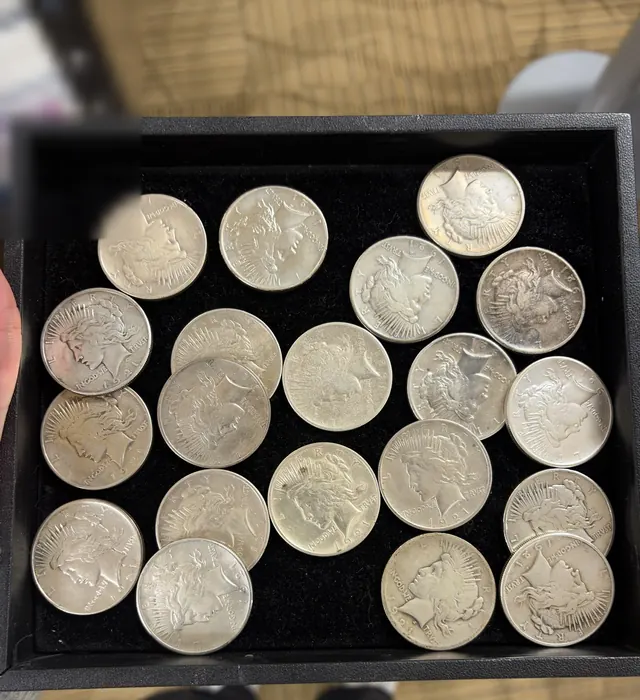
Found silver dollars in the box too? The Heir’s Bundle ($29) adds the Silver Dollars Guide to the Kit.
Not ready to buy? Start with the free “7 Things First” checklist: one page for the first 48 hours.
Get it freeQuestions
What is the first thing to do with inherited coins?
Don’t clean them, and don’t split up sets or groups. Then put everything in one secure place and photograph it as you found it.
Is it okay to clean old coins to see them better?
No. Cleaning leaves marks that buyers recognize, and it can’t be undone.
How long should I wait before selling inherited coins?
There’s no fixed rule, but don’t sell until the coins are listed and you have written offers to compare.
Should I open a coin that’s sealed in a plastic holder?
No. Leave PCGS and NGC holders sealed.
Educational only, not tax, legal, or financial advice. This isn’t an appraisal, a price guarantee, or an offer to buy or sell. Coin values change daily. The views are the author’s own.